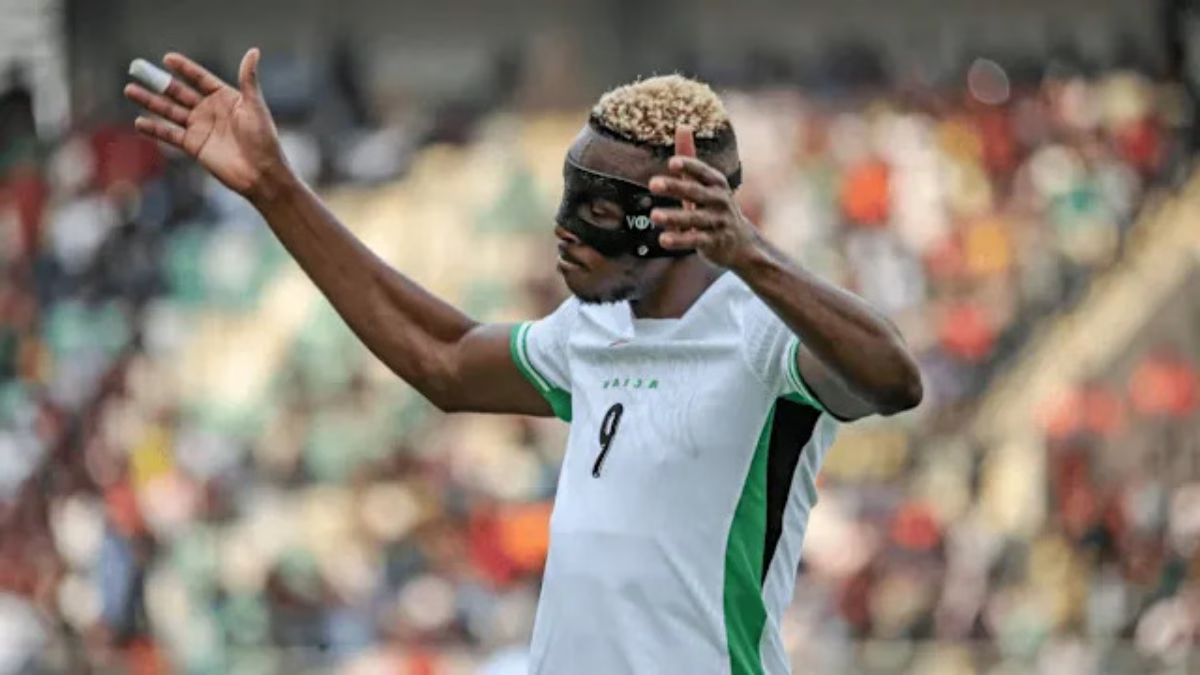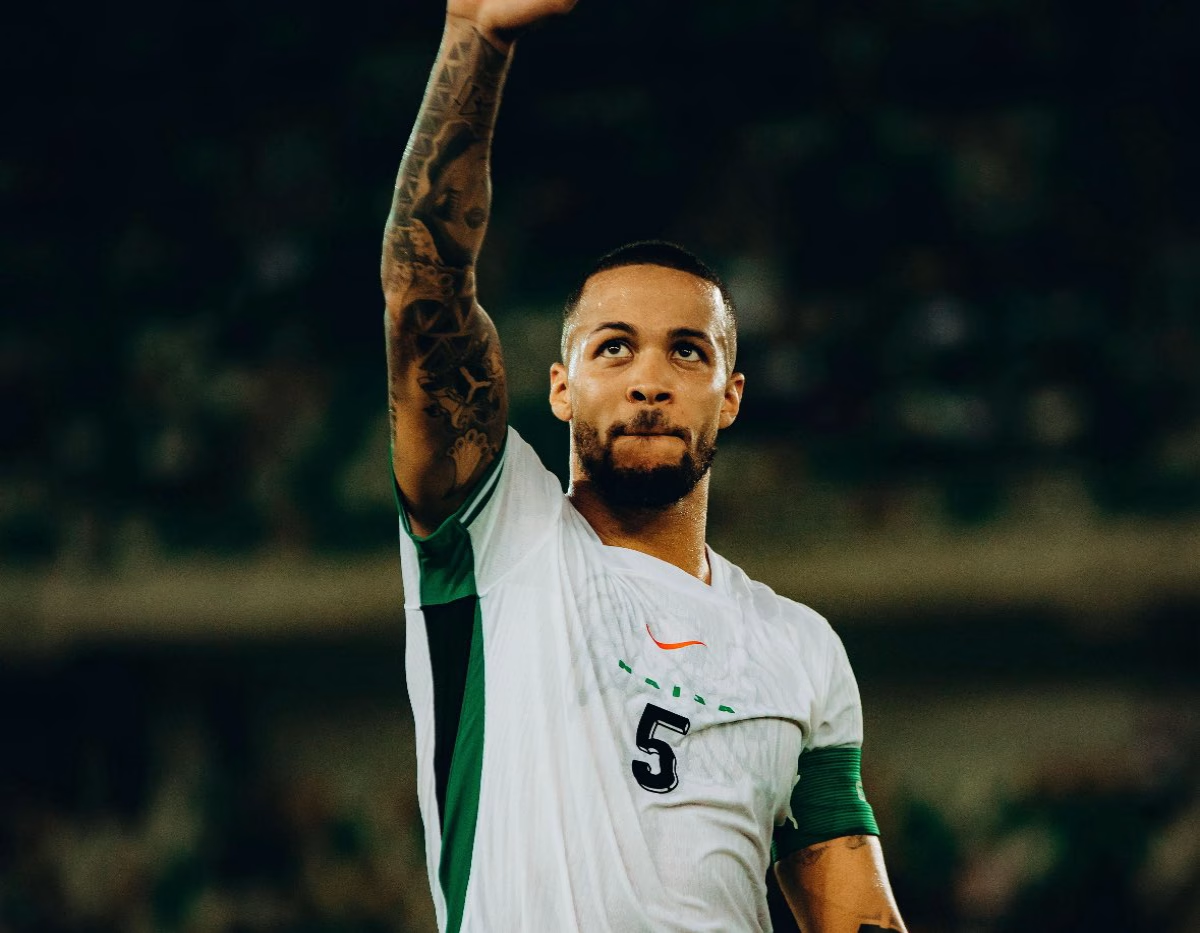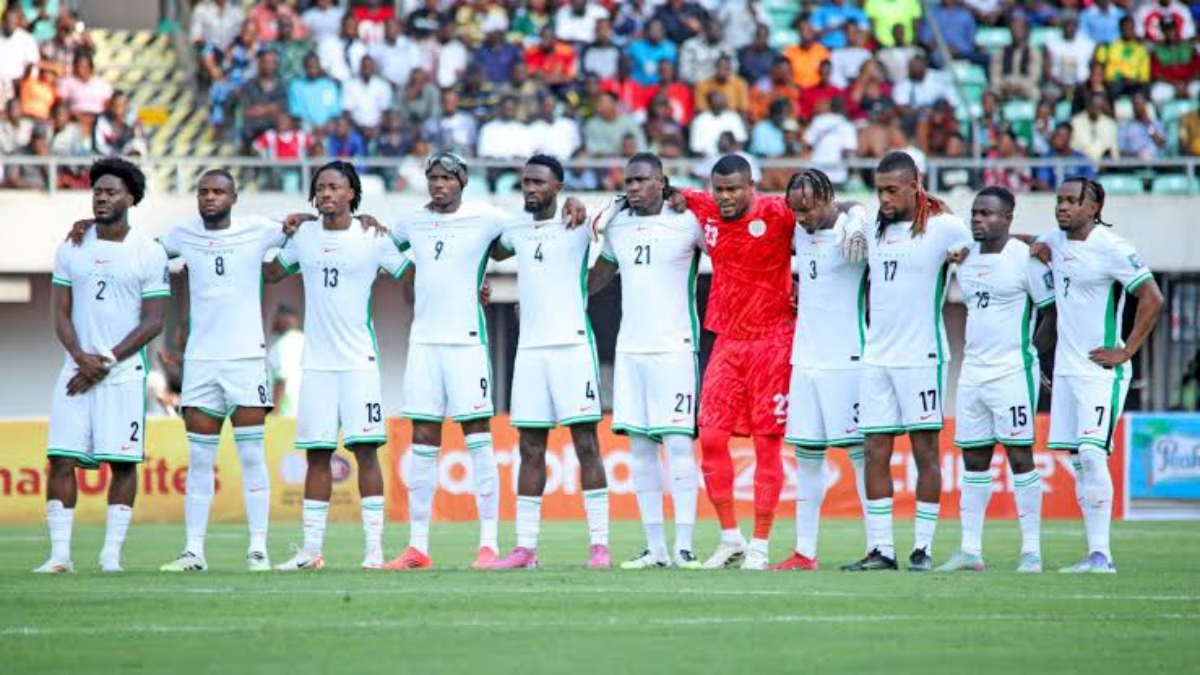
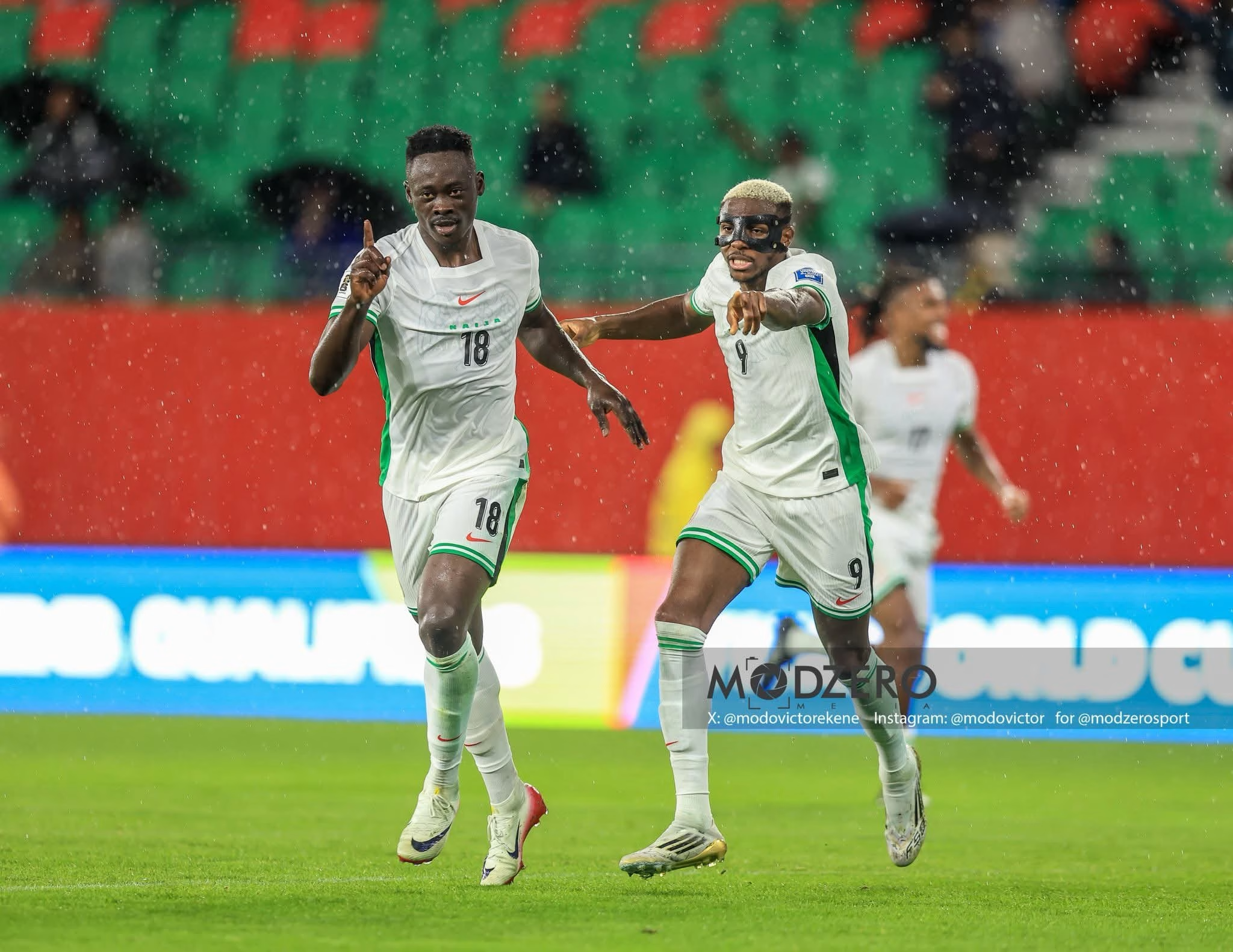
Victor Osimhen delivered when it mattered most, scoring twice in extra time as Nigeria defeated Gabon 4-1 in a pulsating 2026 World Cup playoff semifinal at the Prince Moulay El Hassan Stadium in Rabat, Morocco on Wednesday night.
The Super Eagles dominated proceedings for long periods but needed 120 minutes to finally break Gabon’s stubborn resistance. Akor Adams, Chidera Ejuke, and Osimhen’s brace secured Nigeria’s passage to Sunday’s final, where they will face either Cameroon or DR Congo for a spot in the intercontinental playoff.
Team Performance: Dominance Without Reward
Eric Chelle’s side controlled the tempo from the opening whistle, enjoying 65% possession and creating numerous opportunities throughout regulation time. However, the Super Eagles’ attacking play lacked the cutting edge required to break down a disciplined Gabonese defense marshaled expertly by Bruno Ecuele Manga.
Nigeria’s midfield trio of Wilfred Ndidi, Alex Iwobi and Frank Onyeka later on — dominated the middle of the park, winning second balls and recycling possession effectively. The build-up play was patient and measured, with the Eagles working the ball into dangerous areas repeatedly only to be thwarted by poor decision-making in the final third.
The Super Eagles defense, led by Calvin Bassey and a very impressive Benjamin Frederick remained solid throughout despite minimal testing from Gabon’s attack. Stanley Nwabali in goal had little to do for most of the match, though he was left helpless by Mario Lemina’s powerful 89th-minute equalizer that threatened to derail Nigeria’s World Cup ambitions.
Chelle’s tactical adjustments in the second half and extra time proved crucial. The introduction of Moses Simon and Chidera Ejuke at the hour also mark injected fresh pace and directness into Nigeria’s attacking play, ultimately changing the game’s complexion when it mattered most.
First Half Frustration
The opening 45 minutes told the story of Nigeria’s wastefulness. Despite creating several clear-cut chances, the Super Eagles went into halftime goalless and frustrated. Osimhen, in particular, endured a torrid first half, missing opportunities that on another night he would convert with his eyes closed.
The Galatasaray striker’s best chance came when he found himself unmarked inside the box, only to head wide with the goal gaping. Gabon goalkeeper Loyce Mbaba also denied him twice with smart saves, while defenders threw their bodies on the line to block other efforts.
Bright Osayi-Samuel squandered a golden opportunity shortly before halftime, shooting wide from close range after receiving a precise through ball. The wasted chances left Nigeria vulnerable to a sucker punch, though Gabon’s limited attacking ambition meant the Eagles remained in control without capitalizing.
Pierre-Emerick Aubameyang, Gabon’s main threat, was largely isolated up front. The 36-year-old received a yellow card in the 44th minute for a late challenge, summing up the Panthers’ physical approach to disrupting Nigeria’s rhythm.
Second Half Stalemate and Late Drama
Chelle made a double substitution on the hour mark, introducing Simon and Ejuke for Ademola Lookman and Samuel Chukwueze. The changes brought renewed energy, with Ejuke’s pace stretching Gabon’s defense and creating spaces that weren’t available in the first hour.
Nigeria had a penalty appeal waved away after a VAR review when Osayi-Samuel appeared to be pulled down in the box. Referee Abongile Tom consulted the pitch-side monitor before overturning his initial decision, much to the Super Eagles’ frustration.
The breakthrough finally arrived in the 78th minute through an unlikely source. Adams, who had worked tirelessly in the second half, capitalized on a defensive error to fire past Mbaba and send Nigeria’s bench into raptures. The goal appeared to settle the contest with just 12 minutes remaining.
However, Gabon refused to surrender their World Cup dreams without a fight. Lemina, who had been quiet for most of the match, struck powerfully from inside the box in the 89th minute. His shot gave Nwabali no chance, silencing Nigerian celebrations and forcing extra time in dramatic fashion.
Extra Time Explosion
The additional 30 minutes belonged entirely to Nigeria. Ejuke, whose introduction had transformed the Super Eagles’ attack, restored the lead just seven minutes into extra time. The Sevilla winger showed composure beyond his years, firing precisely into the bottom corner after a well-worked team move.
Osimhen, who had endured a frustrating 102 minutes, finally found his shooting boots at the perfect moment. The striker pounced on a defensive lapse to smash home Nigeria’s third goal, visibly relieved to end his barren night. His celebration told the story of a player who had carried immense pressure throughout.
Eight minutes later, Osimhen struck again. This time, Chidozie Awaziem’s assist set up the Galatasaray man for a clinical finish that effectively ended the contest. The goal showcased Osimhen’s predatory instincts, making the right run at the right time and finishing with the ruthlessness that has made him one of Africa’s most feared strikers.
Gabon, physically and mentally exhausted, had no response. Their World Cup dream died in those frantic extra time minutes as Nigeria’s superior fitness and squad depth proved decisive.
Standout Performers
Victor Osimhen: Despite his first-half struggles, the Galatasaray striker showed his mental strength by delivering when it mattered. His two goals in extra time demonstrated why he remains Nigeria’s most important attacking player. The 26-year-old’s movement, even when not scoring, constantly occupied Gabon’s defense and created spaces for teammates.
Chidera Ejuke: The Sevilla winger was Nigeria’s game-changer. Introduced in the 60th minute, Ejuke’s direct running and willingness to take on defenders transformed the Super Eagles’ attack. His goal in extra time settled Nigerian nerves and his overall performance justified Chelle’s decision to start him on the bench.
Wilfred Ndidi: The Besiktas midfielder was Nigeria’s engine room, breaking up Gabon’s attacks and recycling possession effectively. Ndidi’s defensive positioning allowed his teammates freedom to push forward, and his composure under pressure helped Nigeria maintain control throughout the 120 minutes.
Akor Adams: The Sevilla striker worked tirelessly throughout, making intelligent runs and holding up play effectively. His 78th-minute breakthrough goal came at a crucial moment, showcasing his positional awareness and finishing ability. Adams’ overall contribution to Nigeria’s attacking play often went unnoticed but was vital to the team’s success.
Stanley Nwabali: While not heavily tested, the Chippa United goalkeeper remained alert throughout. Although he couldn’t prevent Lemina’s late equalizer, Nwabali’s positioning and command of his penalty area gave Nigeria’s defense confidence. His distribution also helped initiate several attacking moves.
What’s Next
Nigeria now turn their attention to Sunday’s final, where either Cameroon or DR Congo await. The winner will advance to the intercontinental playoff in March 2026, where they’ll face opposition from another confederation for one of the final two spots at the World Cup.
For Chelle, this victory represents vindication after a turbulent qualifying campaign. The French coach has steadied the ship since his appointment, and Wednesday’s triumph keeps Nigeria’s World Cup hopes alive. However, tougher tests await, and the Super Eagles will need to be more clinical in front of goal if they’re to navigate the remaining obstacles.
Gabon’s campaign ends in heartbreak. The Panthers fought valiantly but ultimately lacked the quality to match Nigeria’s firepower when the game opened up in extra time. For Aubameyang and his teammates, it’s a bitter pill to swallow, knowing they came so close to causing an upset.
The stage is now set for Sunday’s final in Rabat, where Nigeria will aim to take another step toward returning to the World Cup stage after missing the 2022 tournament in Qatar.