Many Super Eagles fans watched with a lingering sense of “what if” as South Africa’s long-awaited return to the FIFA World Cup ended in disappointment.
Bafana Bafana suffered a 2-0 defeat to Mexico in the opening match of the 2026 FIFA World Cup at a packed Estadio Azteca on Thursday night. Goals from Julián Quiñones and veteran striker Raúl Jiménez secured victory for the hosts, but the scoreline only told part of the story.
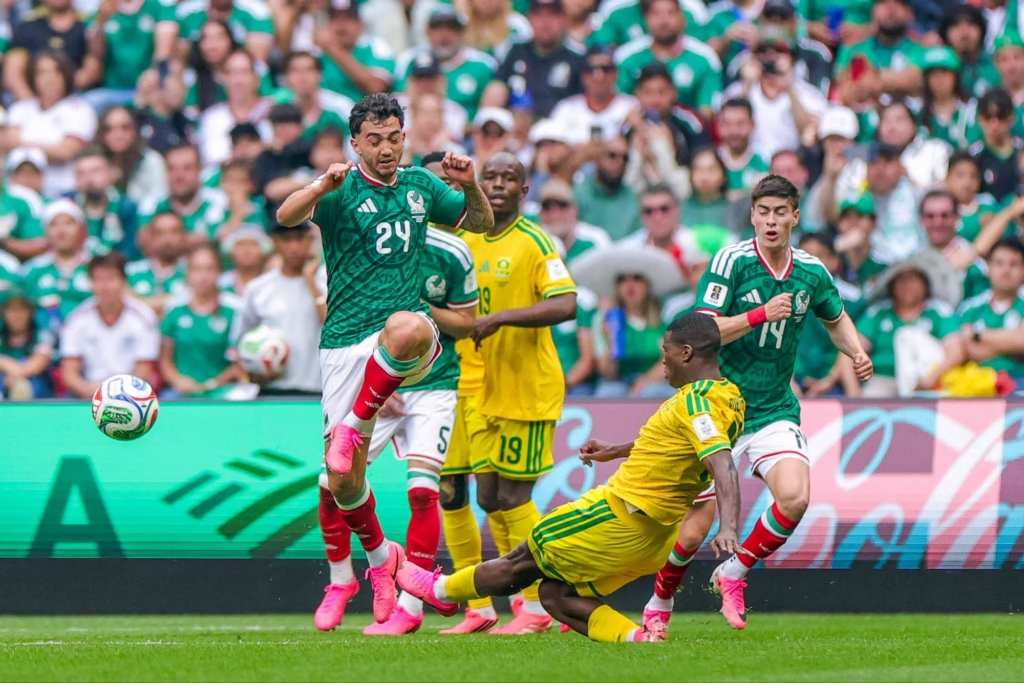
Three red cards, costly defensive lapses, and a lack of composure under pressure exposed weaknesses that ultimately left many Nigerian supporters wondering whether the Super Eagles would have fared better on football’s biggest stage.
South Africa edged Nigeria to the automatic qualification spot from Group C by a single point, finishing with 18 points while the Super Eagles managed 17. That narrow margin has now become the subject of renewed debate.
South Africa repeated mistakes the Super Eagles have learned to avoid
The opening goal was a perfect example.
Just nine minutes into the contest, midfielder Yaya Sithole lost possession in a dangerous area. Mexico capitalised instantly as Quiñones raced through and drilled a low effort past Ronwen Williams to score the first goal of the tournament.
It was the type of error Nigeria have largely eliminated in recent international fixtures. Under Eric Chelle, the Super Eagles have become more pragmatic in possession, preferring direct transitions and intelligent risk management rather than inviting pressure deep inside their own half.
Mexico’s aggressive pressing unsettled South Africa throughout the encounter. Bafana Bafana managed only four shots compared to Mexico’s 15 and struggled to create meaningful openings despite enjoying spells of possession.
Nigeria’s attacking structure would likely have posed a different challenge.
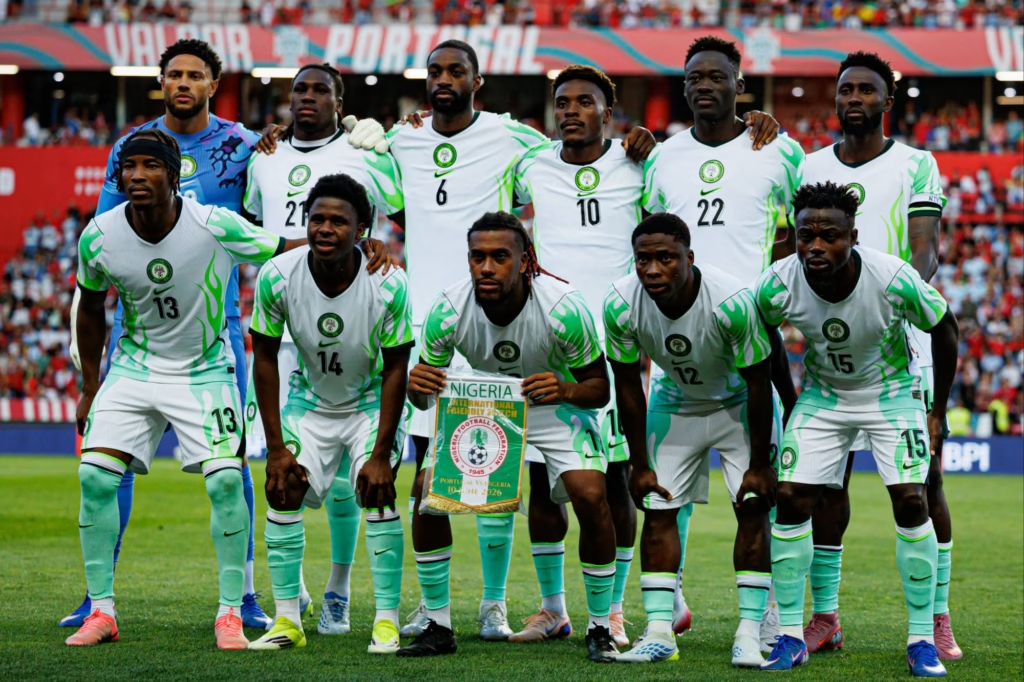
With Victor Osimhen’s relentless movement, Ademola Lookman’s pace and creativity, and the supporting quality of players like Moses Simon and Samuel Chukwueze, the Super Eagles possess genuine weapons in transition. Mexico’s defence would have been forced to deal with constant runs in behind rather than comfortably controlling possession and territory.
Physical presence and discipline were missing
South Africa’s evening deteriorated further shortly after halftime.
In the 49th minute, Sithole was shown a straight red card after bringing down Brian Gutiérrez as the Mexican attacker broke clear on goal. The dismissal left South Africa chasing shadows for much of the second half.
Mexico eventually doubled their lead in the 66th minute when Roberto Alvarado delivered an inviting cross and Jiménez escaped his marker to head home at the back post.
The goal highlighted another area where Nigeria might have offered greater resistance.
The Super Eagles boast some of Africa’s most physically dominant defenders. Calvin Bassey, Semi Ajayi, and Ola Aina have repeatedly shown their ability to handle aerial battles against elite opposition. Against a striker of Jiménez’s profile, Nigeria would have been better equipped to contest crosses and defend set-piece situations.
Just as important was the issue of discipline.
South Africa finished the match with only eight players after Khuliso Mudau and Siyanda Xulu also received red cards late in the game. Their frustrations boiled over as Mexico tightened their grip on proceedings.
Nigeria, by contrast, have developed a more mature game management approach in recent months. Even in difficult away fixtures, the Super Eagles have generally remained organised and avoided the kind of emotional collapse that crippled South Africa’s World Cup opener.
Could the Super Eagles have beaten Mexico?
There is no guarantee Nigeria would have defeated Mexico.
El Tri remain one of the strongest teams in the CONCACAF region, especially when playing in front of their passionate home supporters. However, the Super Eagles possess qualities that South Africa failed to demonstrate.
Nigeria have greater attacking firepower, superior physicality, more experience competing against top-level opponents, and individuals capable of changing matches in a single moment.
Osimhen’s movement inside the penalty area, Lookman’s ability to exploit space, and the midfield intelligence of Alex Iwobi could have asked far more questions of Mexico’s defence than South Africa managed across 90 minutes.
Most importantly, Nigeria’s ability to absorb pressure and strike quickly on the counterattack may have made the contest significantly more competitive.
Did South Africa squander Nigeria’s World Cup ticket?
That question will continue to divide opinion among Nigerian football fans.
South Africa deserved their qualification after finishing above the Super Eagles in the group. The standings never lie over the course of a long qualifying campaign.
Yet their World Cup opener exposed clear limitations. Against the first major test of the tournament, Bafana Bafana struggled with composure, discipline, defensive organisation, and decision-making under pressure.
Whether Nigeria would have progressed further remains impossible to know. What is certain is that South Africa’s performance against Mexico reopened old wounds and reignited the debate about what might have been had the Super Eagles secured that automatic qualification place.
For many Nigerian supporters watching from home, Mexico’s comfortable victory felt less like a World Cup opener and more like a painful reminder of a missed opportunity.