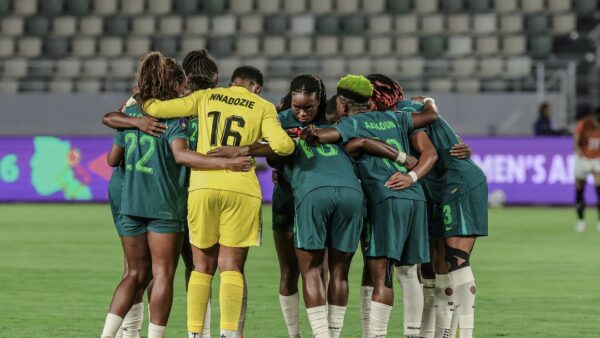
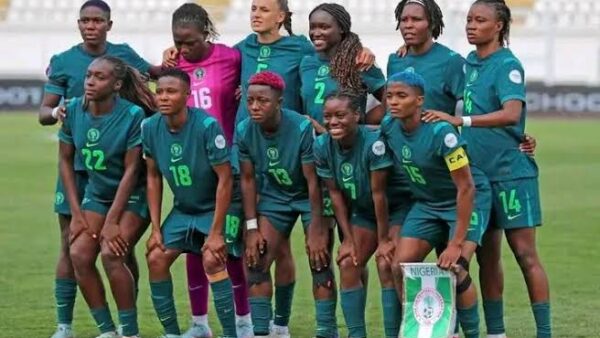
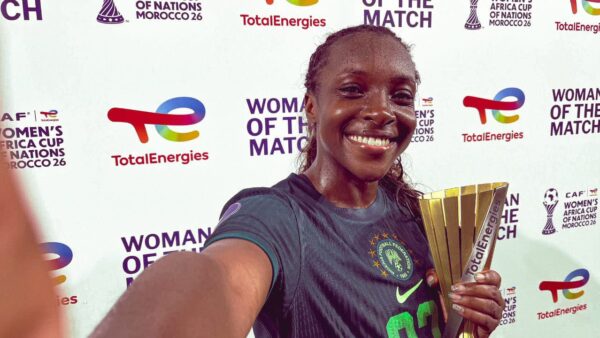
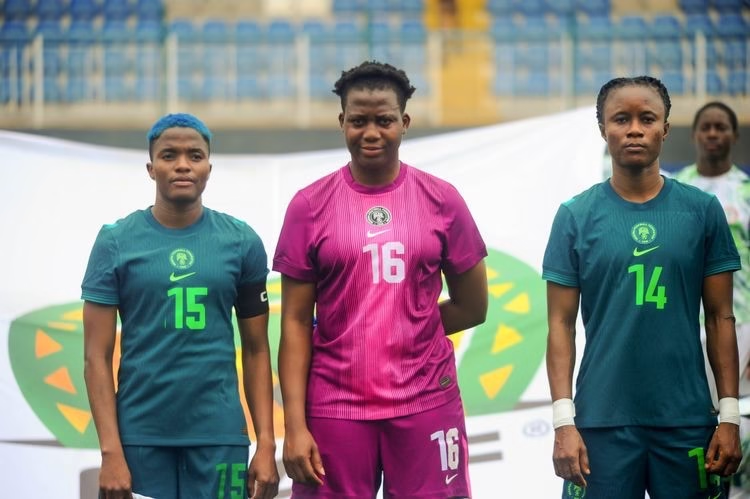
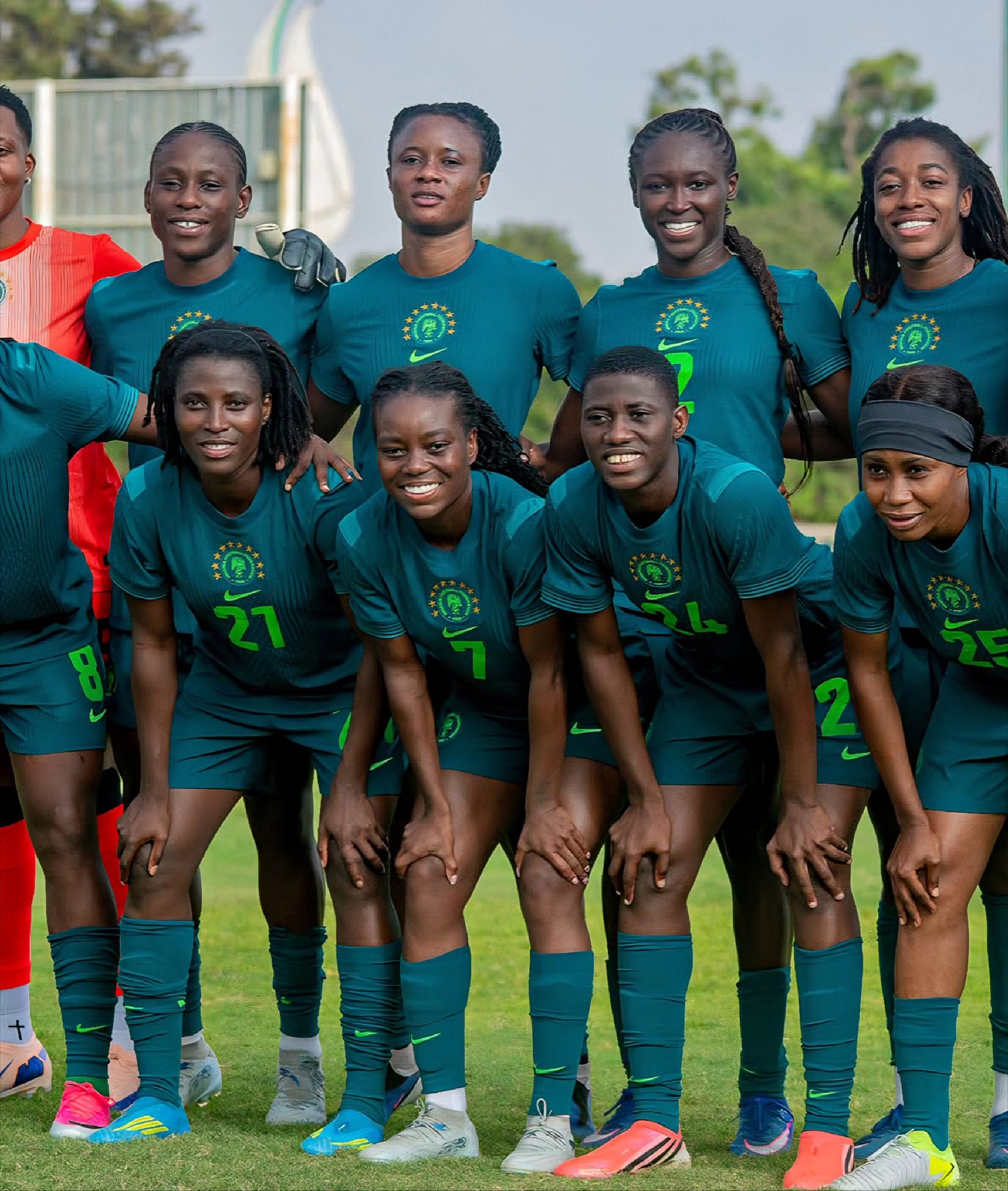
Nigeria’s preparations for the 2026 Women’s Africa Cup of Nations have entered a decisive phase after head coach Justine Madugu finalised his squad for the tournament in Morocco.
The Super Falcons will head into the competition as defending champions following their triumph at the previous edition, where they extended their record as Africa’s most successful women’s national team. Nigeria will once again be targeting continental glory as the tournament expands to 16 teams for the first time.
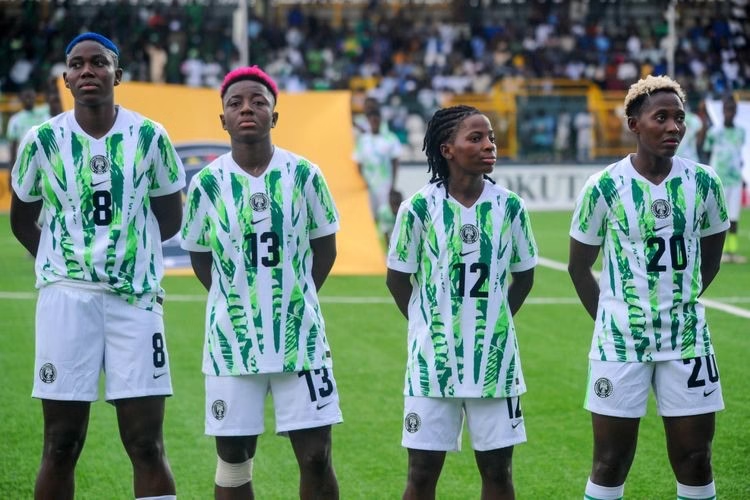
Familiar stars lead Nigeria’s challenge
The squad is expected to be led by several experienced players who have been central to the team’s recent success.
Captain Rasheedat Ajibade headlines a group that also includes veteran striker Asisat Oshoala and a number of Europe-based stars who have played key roles for both club and country in recent seasons. The blend of experience and youth is seen as a major strength as Nigeria seeks to retain the title.
Madugu has largely maintained faith in the core of the squad that delivered success on the continental stage, while also rewarding players who impressed during recent international assignments.
Nigeria eye another historic campaign
The Super Falcons remain the most decorated team in the history of the Women’s Africa Cup of Nations and will enter the tournament as one of the favourites.
Nigeria’s dominance of women’s football on the continent has stretched across several decades, and another successful campaign would further strengthen the team’s legacy. The Falcons are aiming to continue the momentum built under Madugu, who has overseen a period of stability since taking charge of the national team.
Focus turns to Morocco
With the squad now settled, attention will shift to final preparations and tactical work before the opening match.
Nigeria’s players are expected to assemble in camp before travelling to Morocco, where the tournament gets underway later this month. The Super Falcons will be seeking a strong start as they pursue another chapter in their remarkable WAFCON history.
The objective is clear: defend the title and reinforce Nigeria’s status as the benchmark for women’s football in Africa.